
 中文
中文
 English
 中文
中文
 EN
EN



Polar bears are facing extinction, and global warming has become their natural enemy. Biologists have found these big white fluffy creatures to be so thin that they will disappear completely from the face of the earth if the situation continues to deteriorate. As the hegemon of the Arctic Circle, polar bears used to live a leisurely life because they had no natural enemies and had a high military value to basically not worry about not being able to catch prey. Now, the situation is vastly different. Changes in the ecological environment have made polar bears face more and more survival crises. Why are polar bears so thin? What is the living status of polar bears?

How has global warming affected their survival? Polar bears, also known as the 'white bear', are the world's largest land carnivore. Running speeds can reach 60km/h. Male polar bears weigh 300-800 kilograms, and female polar bears weigh 150-300 kilograms. Although they are huge, they are still very cute in the eyes of humans. The baby polar bear is very cute in every move, and the adult polar bear is cute and has no lack of air. When they snuggle up against each other, it makes people feel even more heart-warming.

The white bears are covered with fluffy white hair, and their eyes, noses and other parts are a little black, especially their pair of round black eyes, which look lively and likable. However, these cute big guys have become increasingly difficult in recent years. Changes in the ecological environment have caused polar bears to face more and more survival crises. Under the influence of global warming, the Arctic ice sheet continues to melt, and habitats are becoming less and less. The number of polar bears in Hudson Bay in northern Canada has dropped by 30%; the number of polar bears in the southern Beaufort Sea has dropped by 40% in the past 20 years.

Biologist Andrew Derocher said that at the beginning of this century, the conditions facing polar bears have changed dramatically. While exploring in the Arctic, he would occasionally find polar bears as thin as their bones were left. If they could no longer find food, they would likely starve to death. These phenomena show that the living environment of polar bears has become increasingly harsh and their living conditions are unsustainable. Polar bears are the overlord of the Arctic Circle, and their previous life can be said to be quite leisurely. Because they have no natural enemies and have high military strength, they basically don't have to worry about not being able to catch prey.
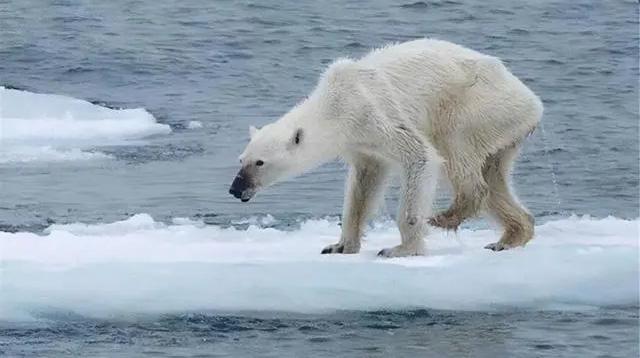
However, now, the situation is vastly different. Polar bears are facing increasing survival pressure, and their reproduction, survival, predation and other aspects have been greatly affected. Researchers have found that global warming causes the rapid melting of Arctic sea ice, making courtship and reproduction difficult for polar bears. The breeding of polar bears is related to glaciers. Male polar bears drift on the sea ice, looking for mates through breaks in glaciers. But as the ice continues to melt and ocean temperatures rise, it becomes increasingly difficult for polar bears to seek courtship and reproduce. In addition, polar bears 'food sources have also been greatly affected.
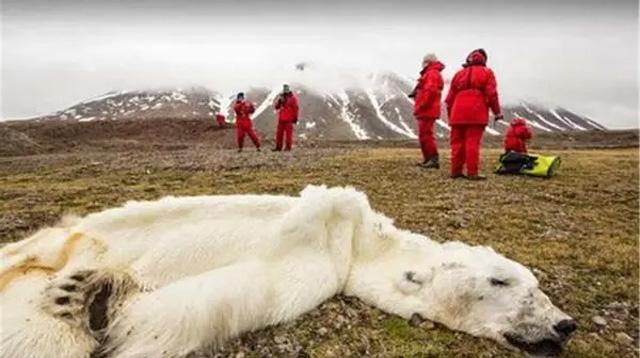
Polar bears mainly feed on seals, but with global warming, the number of seals is also declining sharply, resulting in a shortage of food supply for polar bears. Some polar bears can only survive by eating seabirds and small fish, causing their weight to drop sharply and their living conditions to become more difficult. In general, polar bears are facing the threat of extinction, and global warming has become their natural enemy. As global warming intensifies, the living conditions of polar bears are becoming increasingly severe. Biologists have called for protecting polar bear habitats and food chains, slowing the impact of global warming, and giving polar bears a better living environment.

Each of us should also take active actions to save energy, reduce carbon emissions, and contribute to protecting polar bears and the entire planet. What do you think should be done to protect polar bears and the entire planet's environment? How should we act proactively? The negative impact of global warming on living things cannot be ignored. Polar bears are one of the most affected animals. In the Arctic, sea ice has shrunk severely, posing a huge threat to the survival of polar bears. This article will explore the impact of global warming on the survival of polar bears. Polar bears are an animal that relies on sea ice for survival, where they usually prey on seals.

In winter, they hunt as much food as possible and accumulate fat to prepare for summer. Because Arctic sea ice melts in summer, reaching its lowest level of the year, polar bears need to migrate and face food shortages. At this time, they mainly rely on stored fat to spend the 'fasting period'. However, global warming has made the survival and reproduction of polar bears extremely difficult. In recent years, the Arctic has continued to have 'high fever', and the reduction of sea ice has further compressed the living territory of polar bears, forcing them to spend more time looking for the next piece of sea ice.

In addition, the decrease in sea ice also means that hunting for polar bears will become more difficult. In some years with low sea ice, the number of polar bears may even decrease by 25%-50%. The decrease in sea ice not only puts greater survival pressure on polar bears in winter, but also faces the threat of death during the ice free summer. Under normal circumstances, no ice age means it is difficult to hunt, but polar bears can use their thick body fat to survive this fasting period. However, sea ice has been greatly reduced, forcing their fasting period to be extended. When the fasting period exceeds a certain number of days, polar bears may starve to death. Even if they are not starved to death, their reproductive ability will be affected. It can be seen that the living environment of polar bears is extremely fragile, and the threat posed to them by global warming cannot be ignored. Marine ecosystems are also affected by global warming. Marine ecosystems are the foundation of all life, and the Arctic marine ecosystem is no exception. Global warming has caused the disappearance of Arctic sea ice, which means less marine life, which is catastrophic for the entire marine ecosystem.

In the context of global warming, a series of measures are needed to prevent further damage to polar bears and the entire marine ecosystem. Reducing greenhouse gas emissions is a top priority. Measures such as expanding marine protected areas, controlling hunting numbers, and banning mining are also needed. Only in this way can we save polar bears and the entire marine ecosystem. In short, global warming has had a great impact on the living conditions of polar bears. The reduction of sea ice has severely compressed their living territory, making it difficult for them to find food and reproduce.

Therefore, we must take measures to protect polar bears and the entire marine ecosystem so that they can survive and reproduce in the future. What measures do you think should be taken to mitigate the effects of global warming and protect polar bears and the entire marine ecosystem? Polar bears that are about to disappear: Global warming threatens their survival Polar bears are iconic animals in the polar regions, but they are facing a severe test of survival. As global temperatures rise, the habitat of polar bears is gradually disappearing, and the sea ice on which they rely is also rapidly decreasing, causing their living environment to deteriorate sharply.

Faced with this situation, how should we protect this animal? Living conditions of polar bears Polar bears live in polar regions and mainly eat marine life such as seals and fish. However, with global warming, the area of Arctic sea ice continues to shrink, limiting the hunting range of polar bears and the supply of food has become increasingly insufficient. Bears can only hunt on sea ice, so in the absence of sea ice, they would wander hungry on land in search of food. However, food on land is scarce, and polar bears have to reduce their food intake, which has serious implications for their health and reproduction.

Factors affecting reproduction The reproduction of polar bears is also threatened. Female bears need enough nutrition to conceive and reproduce. However, due to the disappearance of sea ice and reduced food, it is difficult for many female bears to obtain enough nutrients, which has led to bears having fewer cubs and often premature deaths. Moreover, if the cubs survive, it will be difficult for the mother bears to protect them because they need to constantly find food to support themselves and their cubs.
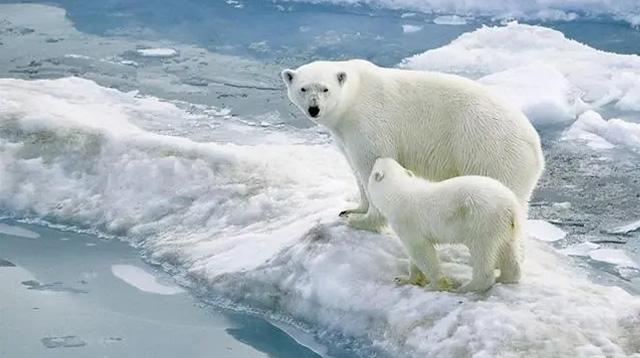
The need to protect polar bears Polar bears are an important part of the ecosystem in polar regions, and they play an important role in maintaining the ecological balance between the ocean and land. If polar bears become extinct, it will have an impact on the entire ecosystem and may lead to the extinction of other species. Protecting polar bears is an important part of protecting the natural environment, and each of us should do our part to this end. How to protect polar bears First, we need to slow down the rate of global warming.

Reducing greenhouse gas emissions is the key, which requires humans to adopt a more environmentally friendly lifestyle, such as reducing energy consumption and encouraging low-carbon travel. Second, we need to protect the living environment of polar bears, protect the habitat of sea ice and marine life, and ensure that they have access to enough food. For animals that are injured or affected by the environment, timely rescue and treatment should be provided. Finally, we need to strengthen public education to enhance people's understanding of polar bears and ecological balance, and increase public awareness and action on environmental protection through better publicity and education and the participation of social organizations. Conclusion The living conditions of polar bears are related to the ecological balance of our entire planet, and each of us should do our part to protect them. We need to take a series of actions to slow down the rate of global warming, protect the living environment of polar bears, and raise public awareness of environmental protection. I hope we can jointly pay attention to and protect polar bears and create a better ecological environment for their survival and reproduction. How do you think we should protect polar bears? Welcome to leave a message in the comment area to share your opinions and suggestions!










